
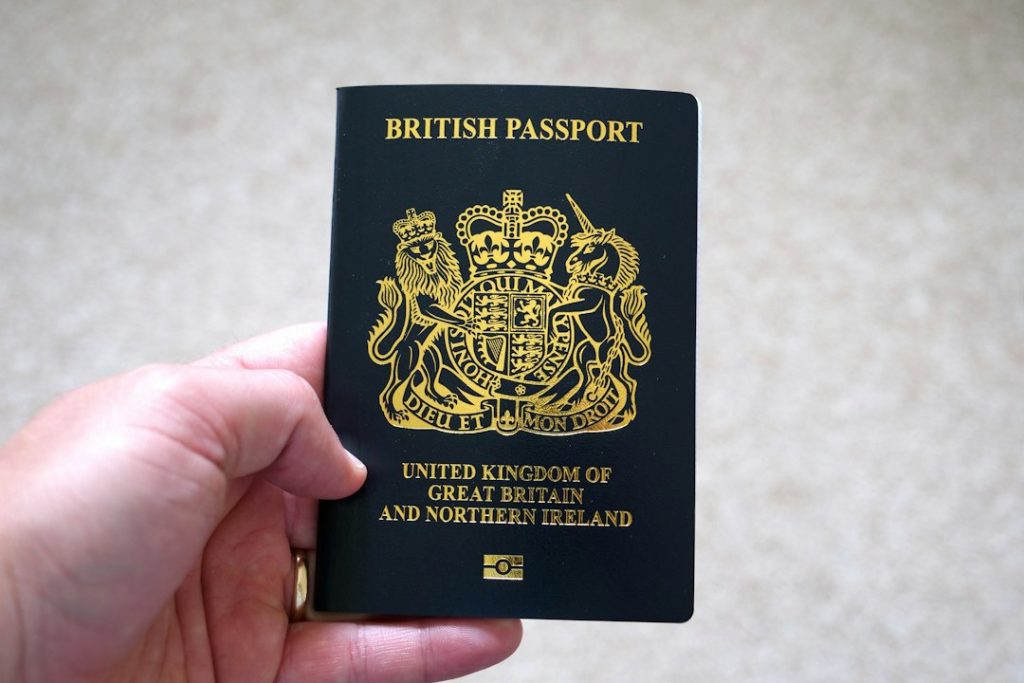
Every caseworker has a bundle horror story. Ours usually involves a perfectly accurate translation that still comes back marked as non-compliant, because accuracy was never actually the test. Paragraph 39B of the Immigration Rules is the quiet gatekeeper behind most translation-related delays, and it is worth reading properly rather than relying on what your last three clients’ cousins told you about it.
What paragraph 39B actually requires
Where specified documents are not in English or Welsh, the applicant must provide the original-language version and a full translation that can be independently verified by the Entry Clearance Officer, Immigration Officer, or Secretary of State. Note what the rule does not say: it does not say “notarised”, it does not say “sworn”, and it does not say “translated by whoever in the office happens to speak the language”. It says independently verifiable. That one word does most of the heavy lifting in a refusal letter.
The four things that actually get translations rejected
1. No way to verify who did the work
Home Office and UKVI translation requirements set out on gov.uk require every translation to carry the translator’s confirmation that it is a true translation of the original, be dated, and state the translator’s full name and contact details so the receiving authority can independently verify it. A translation with no signature block, no contact details, or a contact address that bounces is not a paperwork quibble – it is a failure of the core 39B test. Audit action: check the certification page has a named individual or authorised company signatory, a working phone number or email, and a date that actually precedes the application date (not the other way round, which happens more often than you’d think).
2. A certification statement that hedges its bets
The statement of accuracy has to say the translation is true and accurate – not that it “appears to be” or is provided “for information purposes only”. Vague wording is an easy refusal to write and an easy one to avoid. Audit action: read the certification wording aloud. If it sounds like it’s covering itself rather than standing behind the document, send it back.
3. A translation that isn’t actually full
Certified translations must be complete, including all text, stamps, and seals from the original document – generic machine translations are not acceptable for official submissions. Stamps, seals, marginal notes and that faint court registry stamp in the corner are exactly the bits that get skipped under deadline pressure, right up until a caseworker notices the gap and queries the whole document. Audit action: lay the original and the translation side by side and account for every mark on the page, not just the body text.
4. A translator who isn’t independent of the case
You cannot translate and certify your own documents, nor can a friend or family member – a professional, impartial translator is required to ensure accountability and avoid rejection. This trips up well-meaning clients constantly: the bilingual nephew did a lovely job, but he is also a witness-adjacent party with no professional standing to certify. Paragraph 39B does not care how fluent the nephew is. Audit action: confirm the translator had no personal or family connection to the applicant and is identifiable as a working linguist or translation company, not just “a friend who’s good with languages”.
The five-minute bundle audit
Before a bundle goes anywhere near a submission portal, run through this list document by document:
- Is there a signed statement that the translation is true and accurate – not hedged, not conditional?
- Does the certification give a full name, date, and contact details that actually work?
- Is every stamp, seal, and handwritten note accounted for in the translated text?
- Is the translator demonstrably independent of the applicant – no family ties, no personal interest in the outcome?
- Does the translation sit alongside a copy of the original document, as paragraph 39B expects?
If any box goes unticked, that is the document to query first – not after the Home Office does it for you.
Why this matters more at scale
One rejected translation in a straightforward visitor application is an annoyance. The same gap repeated across a multi-document ILR or settlement bundle can unravel an otherwise strong case, and nobody wants to explain to a client why the delay was a missing contact line on page four. As our founder puts it, using a service provider who is well established, like Connect, can help – mainly because we’ve already had the argument with ourselves about stamps and seals, so you don’t have to. We provide certified translation for solicitors and caseworkers across the whole of the UK, including legal aid rate work, from our office in Blackburn.
If your bundle includes documents in Arabic, our Arabic legal aid translation service is set up specifically with LAA rate work in mind. For everything else, our About Us page sets out who we are and how we work with firms rather than just individual applicants.
Passport and birth certificate translations
If your application includes identity or civil-status documents, see our dedicated Certified Passport Translation Service and Certified Birth Certificate Translation Service.
Get your bundle checked before you submit
If you’d like a second pair of eyes on a translation before it goes to UKVI, get in touch or call us on 01254 312772. You can also email sales@interpretingservice.co.uk or use our booking request form to start a job.
Frequently asked questions
Does paragraph 39B require a notarised or sworn translation?
No. The rule asks for a full translation that a caseworker can independently verify, with a signed accuracy statement, date, and translator contact details - not notarisation or a court oath.
Can a client's bilingual family member translate their own documents?
No. The translator needs to be independent of the applicant. A relative or friend doing the translation, however fluent, does not meet the Home Office's verifiability requirement.
What happens if a stamp or seal on the original document isn't translated?
The translation is treated as incomplete. Every mark on the original, including stamps and handwritten notes, needs to appear in the translated version for the document to be accepted as a full translation.